
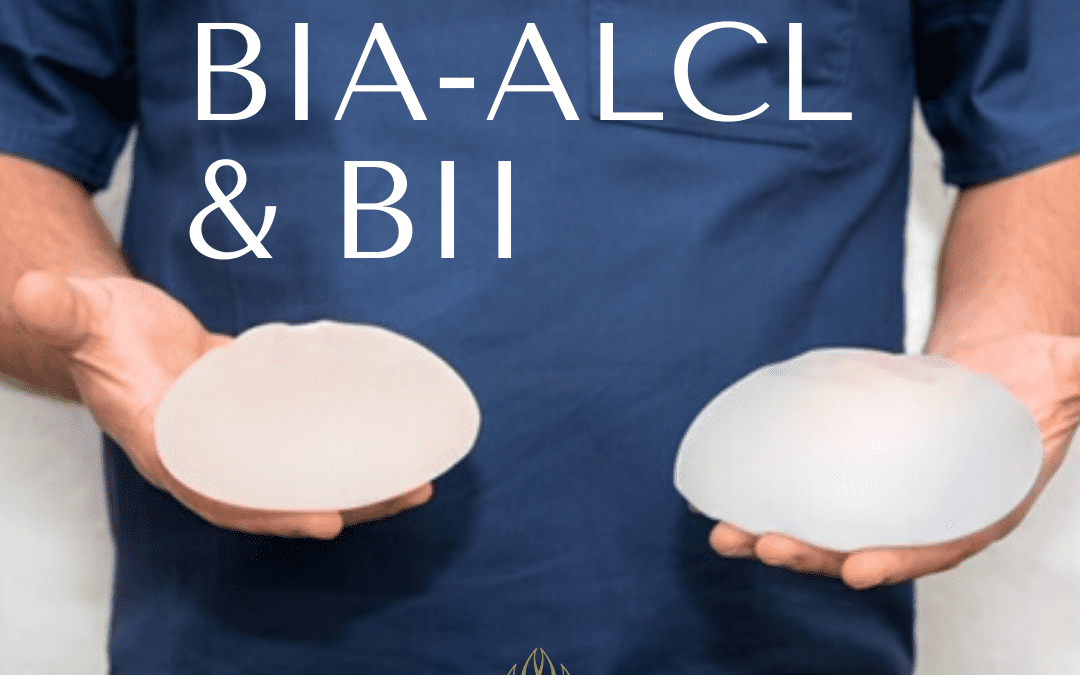
Important Information for Patients with Textured Breast Implants
At The Lotus Institute, we believe it is important that patients with breast implants have clear, up-to-date information about the potential risks associated with their implants.
One of the risks associated with certain textured breast implants is a very rare form of cancer called Breast Implant-Associated Anaplastic Large Cell Lymphoma (BIA-ALCL).
What is BIA-ALCL?
BIA-ALCL is a rare type of lymphoma that can develop in the fluid and scar tissue (capsule) surrounding a breast implant.
Importantly, BIA-ALCL is not breast cancer. It is a cancer of the immune system and is different from cancers that originate in breast tissue.
The risk of BIA-ALCL is associated predominantly with textured breast implants, and the risk appears to increase with the degree of texturing of the implant.
In Australia, the Therapeutic Goods Administration (TGA) currently estimates the risk as approximately:
- Polyurethane-coated implants: 1 in 1,800
- Macro-textured implants: 1 in 2,400
- Micro-textured implants: 1 in 18,000
There have been no confirmed Australian cases of BIA-ALCL in patients with a known history of only smooth breast implants.
These figures are estimates and may change as further information becomes available.
When does BIA-ALCL usually occur?
BIA-ALCL is uncommon and can occur several years after breast implant surgery.
The TGA reports that approximately 95% of cases occur between 3 and 14 years after the implant is inserted, although cases have been reported outside this timeframe.
Having a textured breast implant does not mean that you will develop BIA-ALCL. The condition remains very rare.
What symptoms should I look out for?
The most common symptom of BIA-ALCL is a new or persistent swelling of the breast, usually caused by fluid accumulating around the implant.
Other symptoms can include:
- A sudden or persistent increase in breast size
- A change in the shape or appearance of the breast
- A lump in the breast or armpit
- Persistent breast pain or discomfort
- Increasing firmness or tightening around the implant
- Changes to the skin or breast
- New or unexplained breast asymmetry
These symptoms do not necessarily mean that you have BIA-ALCL. There are many other, more common reasons why changes can occur around breast implants.
However, any new or unusual breast change should be assessed by a medical professional.
I have textured implants. Do I need to have them removed?
Not necessarily.
The TGA and Australian expert guidance do not recommend routine removal of textured breast implants in patients who have no symptoms, simply because of the risk of BIA-ALCL.
Because BIA-ALCL is very rare, the potential risks associated with additional surgery need to be considered against the individual’s risk of developing BIA-ALCL.
If you have textured implants and are concerned, you should discuss your individual circumstances with your plastic surgeon. This discussion can take into account:
- The type and model of your implant
- The degree of implant texturing
- How long your implants have been in place
- Your medical and surgical history
- Any symptoms or changes you have noticed
- The potential benefits and risks of implant removal or replacement
The TGA advises that patients with breast implants should regularly monitor their breasts and seek medical advice if they notice any changes or have concerns.
What should I do if I am worried about my textured implants?
If you have textured implants and are concerned, we recommend that you:
- Don’t panic.
BIA-ALCL is very rare, and having textured implants does not mean that you have, or will develop, the condition. - Find out what type of implant you have.
If possible, locate your implant card, implant details or operative records. The implant manufacturer, model and type of surface can help your surgeon assess your individual risk. - Monitor your breasts.
Be aware of any new changes, particularly swelling, a lump, persistent pain, increasing firmness or a change in breast shape or size. - See your doctor or plastic surgeon if you notice any changes.
Your doctor may recommend an examination and, depending on your symptoms, imaging such as an ultrasound. - Discuss your concerns with your plastic surgeon.
If you are asymptomatic but concerned about your implants, a consultation can help you understand your individual circumstances and the potential benefits and risks of removing or replacing the implants.
What happens if BIA-ALCL is suspected?
If you develop symptoms that raise concern about BIA-ALCL, your doctor or plastic surgeon will arrange appropriate investigation.
This may include an ultrasound to look for fluid or a mass around the implant. If fluid is identified, it can be sampled and sent to a specialised laboratory for testing.
If BIA-ALCL is diagnosed, you will be referred for appropriate specialist treatment. When diagnosed early and treated appropriately, outcomes are generally very good.
Important information about recalled or discontinued implants
Some textured breast implants that were previously available in Australia have subsequently been suspended, cancelled or removed from the Australian Register of Therapeutic Goods (ARTG).
The fact that an implant has been recalled, cancelled or is no longer available does not automatically mean that it needs to be removed.
The TGA’s advice is that patients without symptoms do not require routine implant removal solely because their implant is associated with BIA-ALCL. Patients should continue to monitor their breasts and seek medical advice if they develop symptoms or have concerns.
If you have concerns about your implants
If you have textured breast implants and would like to discuss your individual risk, implant type or options for monitoring, removal or replacement, we encourage you to arrange an appointment with a qualified Specialist Plastic Surgeon.
At The Lotus Institute, our team can review your implant history and discuss your concerns with you, including whether further examination or investigation is appropriate.
Remember
Textured breast implants are associated with a very rare risk of BIA-ALCL.
If you have no symptoms, routine removal is not currently recommended by the TGA solely because you have a textured implant.
If you notice a new or persistent change in your breast, particularly swelling, a lump or a change in breast size or shape, seek medical advice promptly.
For further information, patients can also refer to the Therapeutic Goods Administration (TGA) Breast Implant Hub and its consumer information on BIA-ALCL.
Last reviewed: September 2026.
This information is general information and does not replace individual medical advice.
Related Articles

Explaining the Difference Between Breast Lift and Breast Augmentation
Many women attribute their self-confidence to the way they look. Women could
Are you considering Breast Implants?
Breast Augmentation enhances the size and shape of your breasts using implants.

Things To Know About A Breast Augmentation With Fat Transfer
There are many cosmetic procedures that help women feel a little more
The Mini Breast
THE MINI BREAST – It’s a trend! More women are now opting for